Blocked drains start as a small bother but quickly turn into a real headache. Over time, minerals and grime jam up pipes, squeezing water flow and causing slow drainage, weird gurgles, bad smells, and never-ending clogs. One cool fix called pipe descaling scrapes away buildup and lets water flow like it used to. People stuck with tough drain problems call this trick a lifesaver because plumbers don’t always spill these secrets. Learning these simple tips can save plenty of time, cash, and frustration. Keep reading to find out how to crush clogs like a champ and keep pipes running smooth for good.
This article explains what pipe descaling is, why it helps restore drain flow, how professionals and homeowners approach the job, and what you can do to keep pipes clearer after treatment. Read on for practical tips, real world examples, and guidance that helps you decide when to act and when to call a technician.
What pipe descaling means and why it matters for drain flow
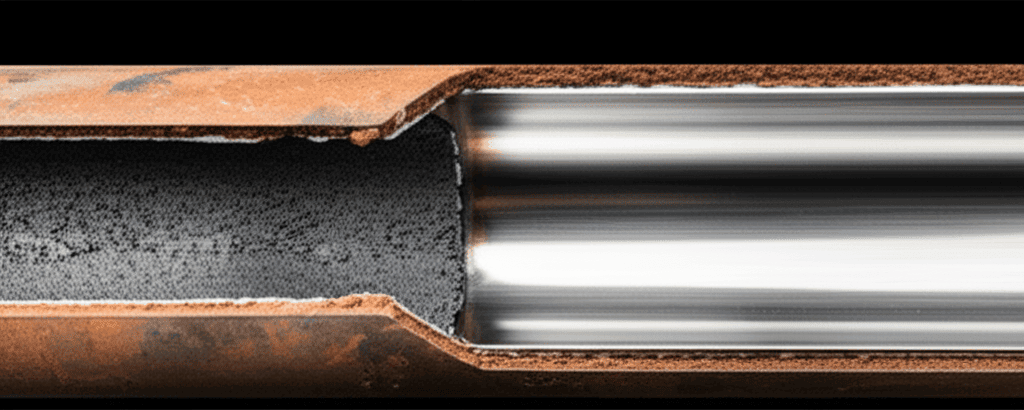
Pipe descaling is the removal of mineral deposits, grease, rust, and other hard buildups that accumulate on the interior walls of pipes. Over time these deposits reduce the effective diameter of a pipe which lowers drainage capacity. In other words a pipe that looks fine on the outside can be heavily restricted inside.
When scale builds up the water must travel through a narrower channel which slows flow and can create low spots where debris collects. That increases the likelihood of slow sinks, backing up showers, or recurring toilet clogs. In some cases commercial buildings and older homes face severe narrowing that cuts flow by half or more.
Common causes of interior pipe buildup
Understanding the causes helps prevent future problems. The most common contributors are
- Hard water minerals such as calcium and magnesium that precipitate and form scale
- Grease and soap scum that stick to pipes and trap hair and food particles
- Corrosion from metal pipes that releases rust which adheres to interior surfaces
- Biofilm made of bacteria and organic debris that acts like glue for other particles
How pipe descaling works in practice
Technicians use mechanical and chemical methods to remove buildup. Mechanical techniques include high pressure water jetting which shoots a concentrated stream through the pipe to scour the walls. For tougher crust or encrustations plumbers may use rotating cutters or specialized heads that scrape and break free material without damaging the pipe.
Chemical descalers dissolve mineral deposits through targeted application. These chemicals are selected to react with scale while minimizing harm to pipe materials. Proper use calls for controlled contact time and full flushing afterward. Often the best results come from combining mechanical action with a chemical treatment so loosened scale can be washed away.
High pressure water jetting explained
High pressure jetting typically runs at several thousand pounds per square inch which is enough to remove stubborn scale and clear grease. The jet head travels down the pipe and cuts a clean channel while pushing debris toward the main sewer line. For clogged kitchen drains and long runs in larger buildings jetting is a common choice because it restores full flow in a single visit.
When rotating cutters are preferable
Rotating cutters attach to a flexible cable and spin as they travel through the pipe. They are useful when scale is thick and patchy, or when the customer wants an option that limits chemical use. A skilled operator can target problem spots without altering pipe integrity.
Signs that descaling is needed now rather than later
Watch for recurring symptoms that hint at internal buildup. These include
- Water that drains slowly across multiple fixtures
- Unpleasant sewer smells from drains
- Frequent clogs in the same branch line
- Gurgling noises when other appliances run
- Visible rust colored or slimy discharge when cleaning traps
If two or more of these signs persist for several weeks it is a good idea to schedule a professional inspection. Early descaling can restore flow and lengthen the life of existing plumbing.
DIY steps to limit buildup before calling a pro
Homeowners can take several measures that reduce the rate at which scale and grease collect. These steps do not replace professional descaling when buildup is advanced but they do extend the time between service visits.
- Use strainers and screens in sinks and showers to catch hair and food particles
- Avoid pouring grease down kitchen drains; collect oil in containers and dispose with waste
- Run hot water through sinks after heavy soap use to help pass residue down the line
- Periodically flush drains with a hot water and mild detergent mix then rinse well
- Consider a water softener when hard water causes rapid mineral deposition
What to expect from a professional descaling service
A reputable service begins with a camera inspection to see the condition of the pipe. A video inspection reveals the type of buildup, its location, and the size of the remaining flow path. With that information the technician chooses the right combination of jetting or cutting and decides if chemical descaling is needed.
After cleaning the team will often perform another camera run to confirm success. A final report should include before and after images, notes on pipe condition, and recommendations for follow up. Good technicians also point out options for preventing future scale.
For homeowners in Houston and nearby areas one option to consider is Zoom Drain pipe descaling and drain cleaning which offers inspection, mechanical cleaning, and maintenance plans. Their descriptions show how a combined approach resolves both mineral and grease buildup and restores proper flow.
Costs benefits and expected results
Price varies with pipe length, type of buildup, and access difficulty. Simple residential jobs may be a few hundred dollars while complex commercial lines can run higher. Consider the cost in the context of avoided damage and reduced repair frequency. Restoring full flow stops backups that can lead to water damage, mold, and higher repair bills.
After a proper descaling you should notice faster drain rates, reduced odours, and fewer clogs. Camera verification will show a much clearer interior surface and a near original diameter depending on the amount of previous deterioration. Regular maintenance can keep systems performing well for many years.
Maintenance schedule suggestions and practical tips
Developing a simple routine cuts down on emergency calls. Here are schedules to consider
- Households with soft water and careful use: inspection every 2 to 3 years
- Homes with hard water or heavy grease use: inspection yearly
- Restaurants and hair salons: inspection every 3 to 6 months
Other practical tips
- Keep a small log of drain problems so patterns become visible
- Schedule inspections after any renovation that changes plumbing fixtures
- If the property is older request a video report to map pipe condition for future planning
Common questions and clear answers
Will descaling damage my pipes
When performed properly by trained technicians descaling targets buildup without harming modern plastic or metal pipes. Camera inspection helps avoid aggressive techniques when pipe walls are thin.
How long does a treatment last
That depends on water chemistry and usage. For many homes results last several years. For commercial properties or very hard water sites more frequent maintenance is required.
Can descaling prevent root intrusion in older sewer lines
Descaling removes scale that can hide or feed root growth but does not replace full root control. If roots are present technicians will often recommend targeted cutting and then remedies that minimize future intrusion.
What about chemical cleaners available in stores
Over the counter products can clear minor clogs but they do not remove hard mineral scale inside pipes and repeated use may harm some pipe materials. Professional solutions use formulations matched to the pipe and the buildup type and are applied under controlled conditions.
To sum up pipe descaling offers a practical path to restoring drain flow and extending the life of plumbing systems. By removing mineral scale grease and other deposits it returns lost capacity and reduces recurring clogs. Routine inspections and timely cleaning make maintenance predictable and more affordable than emergency repairs.
When you notice ongoing slow drainage or frequent clogs get a camera inspection and consider scheduling descaling if buildup is found. Regular maintenance can keep water moving freely and cut the risk of damage from backups. If you prefer professional help pick a provider who uses camera diagnostics and documents before and after results so you see the value of the work. Take action now to stop slow drains from becoming a larger problem and get your plumbing back to normal flow.