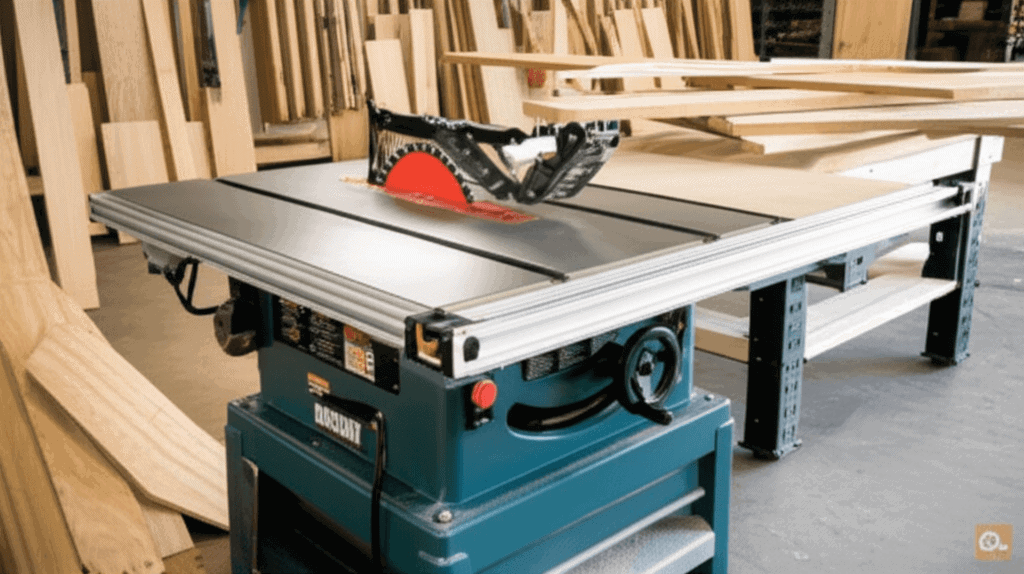
If working on furniture, fixing cabinets, or making custom wood pieces feels fun, a hybrid table saw can totally change the way the workshop runs. Hybrid table saws mix the strong power of big cabinet saws with the easy-moving feel of jobsite saws, giving a perfect blend of strength, steady support, and convenience for hobby woodworkers and DIY lovers. Knowing what features to look for and how to use one boosts accuracy and keeps things safe. Picking up these tips makes every cut cleaner and projects look sharp, turning hard work into a win. This tool suits anyone wanting to raise their woodworking skills without getting worn out. Keep reading to see how it can upgrade your crafting game.
Below I break down the most useful features, real world project examples, maintenance steps, and buying tips to help you choose and get the most from a hybrid table saw. You will find practical pointers for setup, everyday use, and long term care so your saw performs reliably for years.
Why a hybrid table saw is a strong choice for DIY projects
Hybrid table saws combine elements from both contractor saws and cabinet saws to offer a middle ground. They generally have an enclosed cabinet style base that reduces vibration and improves dust collection compared with open frame contractor models. At the same time they are lighter and require less electrical infrastructure than full cabinet saws which makes them approachable for many home shops.
For typical home projects such as shelves, small dining tables, picture frames, or cabinet doors this style of saw is often the best fit. You get consistent cuts with a fairly compact footprint and easier maintenance access which keeps downtime low when you are in the middle of a build.
Key features to evaluate before you buy
Not every hybrid table saw is built the same. Focus on a few core areas that affect accuracy and longevity so you pick a machine that suits your schedule and budget.
Motor and power considerations
Motor size is usually expressed in horsepower and amperage. For ripping hardwood and working with sheet goods a motor rated between two and three horsepower is a practical range for most DIY shops. Motors with higher torque at lower RPM reduce the tendency for the blade to bog down when cutting thick material.
- Check the starting method. Direct drive models are simpler and easier to maintain. Belt drive designs can offer smoother operation and less vibration.
- Look for 110 to 120 volt compatibility if your shop uses standard household current. Some higher power models require 220 volts which may need an electrician to add a dedicated circuit.
Fence system and table surface
An accurate fence is essential for repeatable cuts. Quality fences lock square to the table and glide smoothly without any play. Cast iron or sealed steel table tops help keep the surface flat and resist rust when combined with a light protective coating.
- Measure rip capacity to ensure it fits the widest workpieces you expect to cut.
- Consider fences that include micro adjustments for fine tuning alignment.
Safety and workshop setup tips
Safe operation starts with the saw and extends into how you position it in the shop. Hybrid saws usually include safety features that reduce risk but following a few setup guidelines makes a big difference.
Dust collection and ventilation
Dust control improves visibility and respiratory health. Hybrid cabinets often have a larger dust port compared with open frame saws which helps capture more debris. A properly sized dust collector with at least a one and a quarter inch port connection will keep the table top cleaner and reduce airborne particles.
- Run the collector while cutting and stop it when you finish the cut to clear remaining dust.
- Use a shop vacuum on the table surface for final cleanup before making precise joinery.
Basic safety accessories
Even with built in guards you will want a set of push sticks, a riving knife or splitter, and anti kickback devices. Featherboards clamp to the fence and keep thin strips pressed against the fence for safer rips. A good push stick lets you keep your hands a safe distance from the blade while maintaining control of the workpiece.
Project types where hybrid table saws shine
Understanding which tasks a hybrid saw handles best will help you decide if it suits your needs.
- Ripping sheet goods such as plywood and MDF. The enclosed base helps support longer cuts and reduces table vibration so cuts stay straight.
- Furniture parts like legs and rails where repeatable full length rips and crosscuts are needed. The fence and miter gauge can deliver consistent results for joinery pieces.
- Panel raising or groove cutting when you add a dado blade set. Many hybrid saws accept stacked dado sets and have the motor torque to handle them.
For example if you are building a small dining table you can use the saw to break down plywood, trim tabletop edges with the fence, and cut tenons and rails for the apron all with one machine. This reduces the need to move pieces between multiple tools and keeps edge quality uniform.
Maintenance and calibration for accurate cuts
Regular care keeps a hybrid table saw cutting accurately and reduces the chance of costly repairs. Some of these tasks take only a few minutes and pay off immediately in cut quality.
- Check blade alignment to the miter slot and fence periodically. A small misalignment can cause wander on long rips.
- Keep the arbor bearings and belts inspected for wear. Replacing a worn belt is cheaper and faster than addressing bearing failure down the line.
- Protect the table top against rust with a thin coat of paste wax after cleaning. This makes it easier for wood to slide and helps keep cuts consistent.
- Inspect the electrical cord and switches. Replace any frayed cables and keep the switch area free of dust buildup.
If you plan to store the saw for a period cover it and remove the blade to avoid accidental damage. Label any small parts and keep fasteners in a clear container to avoid losing them between projects.
Buying tips and budget guidance
Set a realistic budget and list the tasks you need the saw to handle. Entry level hybrid saws provide enough capability for most small to medium projects while higher priced models add more stable trunnions, quieter motors, and better fences.
- Decide if you need a mobile setup with casters or a fixed position given your workshop space.
- Look for a strong warranty that covers the cabinet and motor for at least one year. Check how replacement parts are sourced in your area.
- Consider accessories you may need such as a mobile base, outfeed support, or a dado throat plate. These can add to the cost after purchase.
For a quick comparison of current options and to see recommended units based on build scenarios this guide lists the models that deliver consistent performance and value best hybrid table saws in one place. Use that as a reference while you confirm local availability and pricing so you can make hands on checks before finalizing a purchase.
Practical tips for using a hybrid table saw in real projects
Small technique changes improve safety and quality. Use these practical habits to get better results right away.
- Always score crosscuts on veneered panels to reduce tear out. A slow, shallow first pass before a full depth cut often keeps edges clean.
- Support long workpieces on outfeed tables or roller stands to avoid binding the blade and to maintain accuracy.
- When ripping narrow strips feed at a steady pace with a push stick and featherboard to keep the workpiece stable against the fence.
- Check blade sharpness regularly. A dull blade increases tear out and demands more force which can cause wandering or uneven cuts.
Practice on scrap pieces before running your final material. This reveals fence alignment or blade tilt issues without risking valuable wood.
Hybrid table saws for DIY projects offer a strong return on investment when matched to your workshop needs. They are sized for hobbyist spaces while offering enough capability for serious home builds. Focus on motor torque, fence accuracy, and dust control when comparing models and keep up with basic maintenance to extend the life of the machine. Take time to set up the saw in a clean, well lit area and add simple accessories such as featherboards and a reliable push stick kit to increase safety and improve cut quality.
If you are ready to shop compare models side by side and, when possible, see them in person. Ask the seller about test cuts, warranty details, and available support. With careful selection and steady maintenance a hybrid table saw can handle everything from rough dimensioning of stock to fine joinery for cabinets and furniture. Get familiar with safe operating techniques and add dust control to protect your lungs while you work. Now that you have the essential information pick a model that fits your space and start planning your first project using the saw. A clear plan, stable setup, and consistent maintenance will keep your projects running smoothly and reduce wasted material. Take action today and set up a test cut with scrap material to confirm that the saw meets your expectations before you begin a major build.